Products for AI + Humans
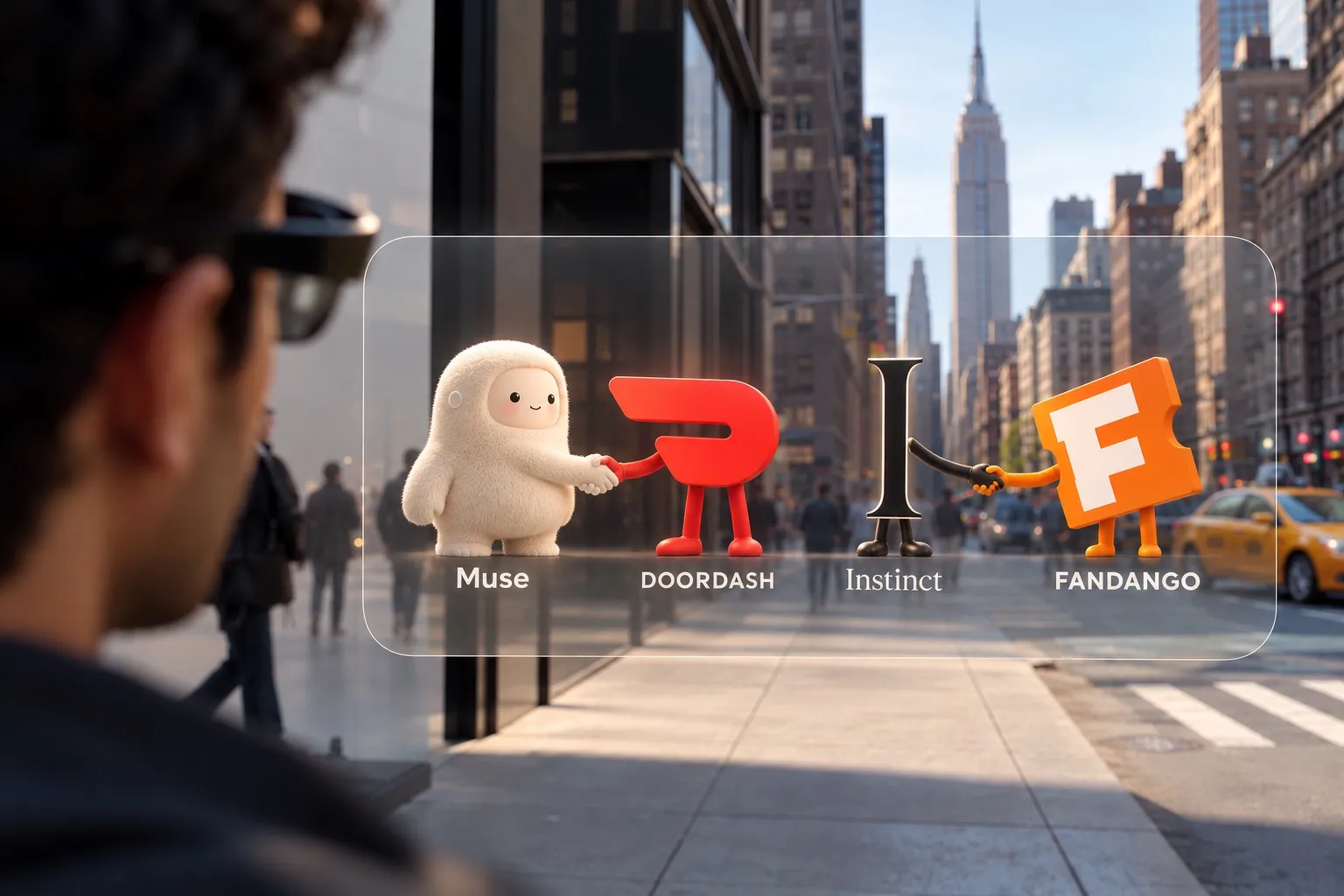
Muse isn’t available in India yet, but it’s the name on everyone’s lips right now. The idea of an AI agent built for everyday consumers, people who don’t need to know what MCP or a harness is, made me want to try one myself and see how a delightful AI experience can be crafted for the regular consumer.
So for the last few days, I’ve been using Instinct a lot. Before I do a Google search or send a message or email to someone, I ask myself:
Can Instinct do this for me? Or do I have to do it myself?
90% of the time, the answer was: Instinct can do it.
Yet I only let Instinct actually do the task about 10% of the time.
The obvious question is: why? I have a tool that can take a huge load off my brain by increasing the bandwidth speed between me and the thousands of tools I need to get things done. Why would I still spend my own cognition on those tasks? Isn’t AI supposed to make life easier?
The truth is, it is. I would happily hand Instinct my entire to-do list, manage it over iMessage, or just talk to it through something like Meta’s glasses (which I’d gladly pay for) as if it were my very own Jarvis.
What holds me back is this:
“The internet is designed for humans.”
That one nuance is where the 80% gap lives: the tasks Instinct can do but that I still don’t hand over.
Today’s websites and apps are designed for humans to use, and to delight them while they do. In fact, many of them actively don’t want AI agents using them. That’s why CAPTCHAs exist: without them, these products would be open to bots and abuse, and right now there’s no middle ground.
On top of that, these products are built around core human motivations. They’re designed to nudge a person’s decisions toward whatever outcome the product’s owner wants.
BookMyShow and Swiggy Dineout are made for humans. Asking Muse or Instinct to use them is asking an AI agent to behave like a human just to book a ticket or reserve a table. And those human-centric flows are exactly where product managers and designers have poured their craft.
But the direction I clearly see the world moving in is us becoming real cyborgs. We already are, in a sense, but the bandwidth speed between our brains and our computers is very low, and agents like Muse and Instinct increase it by OOMs. Until Neuralink-style brain implants become commonplace, I think Muse and Instinct-like agents will become the layer between humans and computers.
That’s the biggest opportunity right now: websites and apps designed to talk to AI agents and humans at the same time. Authentication, user journeys, product flows - everything needs to be reimagined to first identify whether the user is an AI agent or a human, and then give them the journey that’s best for them.
I think we’ll get there soon, and I couldn’t be more excited to see what the future holds.